
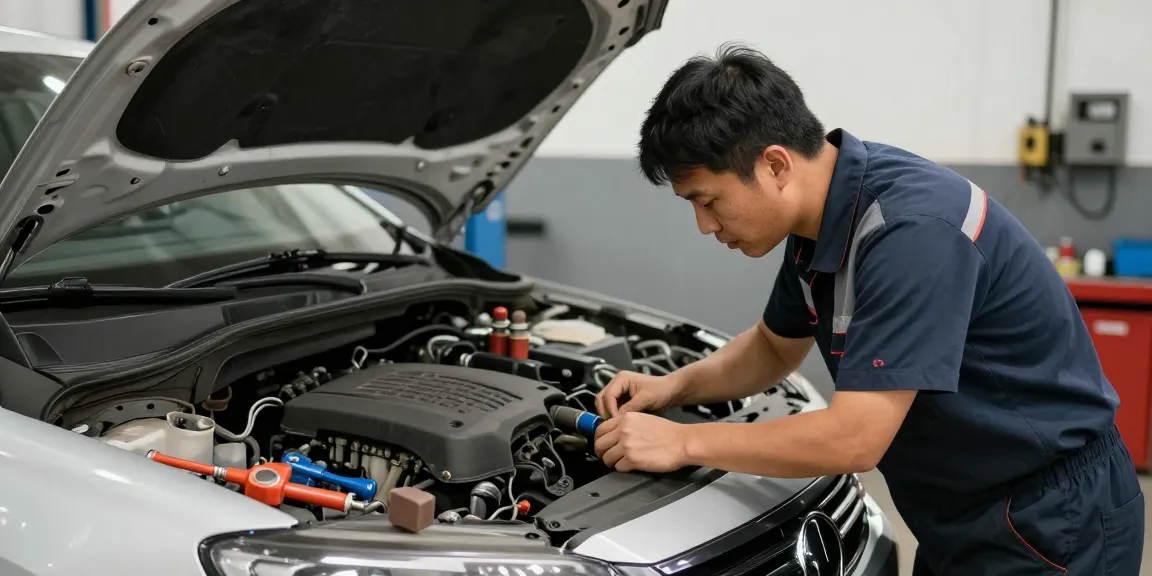
Understanding the Causes of Car Overheating
Car overheating is a common yet serious issue that can lead to engine damage and costly repairs. Understanding the root causes and signs of overheating will empower you as a driver to take timely action. Various factors can contribute to a vehicle’s temperature rising beyond the safe operating range. Knowing these factors can help you keep your car in prime condition and extend its lifespan. For a detailed guide on what to do if your car overheats, refer to this car overheats what to do.
Common Issues Leading to Overheating
- Low Coolant Levels: This is one of the primary reasons a car overheats. Coolant levels can drop due to leaks, evaporation, or improper filling.
- Clogged Radiator: A dirty or obstructed radiator can prevent the cooling system from functioning effectively, leading to overheating.
- Faulty Radiator Fan: If the radiator fan isn’t functioning properly, it won’t cool the coolant effectively, especially during idling or slow speeds.
- Stuck Thermostat: The thermostat regulates coolant flow. If it malfunctions, the engine may overheat as coolant circulation is disrupted.
- Faulty Water Pump: A malfunctioning water pump fails to circulate coolant through the engine, causing it to overheat.
- Damaged Head Gasket: A blown head gasket can result in coolant leaking into the engine cylinders, leading to overheating.
- Traffic and Extreme Heat: Stop-and-go traffic in high-temperature conditions increases the risk of your vehicle overheating.
Signs Your Car is Overheating
Detecting the symptoms of an overheating engine is crucial for taking immediate corrective measures. Here are the signs to watch for:
- Temperature Light: A warning light on your dashboard signaling that the engine is getting too hot.
- Smoke from the Hood: Visual steam or smoke emanating from under the hood indicates potential engine failure.
- Burning Smell: A burnt odor can suggest coolant leakage or other overheating-related issues.
- Loss of Engine Power: If your vehicle struggles to accelerate or maintain speed, the engine may be overheating.
The Role of the Cooling System
The cooling system is vital in maintaining your vehicle’s operating temperature. It consists of the radiator, water pump, thermostat, and various hoses and fluids that work together to dissipate heat. Understanding how this system works helps you identify issues early and avoid potentially expensive repairs. Regular checks on your system, including coolant levels and radiator condition, ensure that your vehicle will run efficiently.
Immediate Actions: What to Do When Your Car Overheats
If you discover that your engine is overheating, swift action is required to prevent severe damage. Here are the step-by-step actions you should take:
Step-by-Step Guide: Emergency Responses
- Pull Over Immediately: Find a safe location to pull over as soon as you notice signs of overheating.
- Turn Off the Engine: Immediately switch off the engine to prevent further damage.
- Don’t Open the Hood Immediately: Allow the engine to cool down; opening the hood too soon may cause burns from steam or hot parts.
- Check Fluid Levels (When Cold): Once the engine has cooled, check coolant levels and look for leaks!
- Call for Assistance if Necessary: If you’re unsure about moving the vehicle, calling roadside assistance is the safest option.
Common Mistakes to Avoid
Many drivers make critical mistakes during an overheating emergency that can lead to severe engine damage:
- Continuing to Drive: Ignoring overheating signs and pushing the vehicle can exacerbate problems.
- Opening the Radiator Cap While Hot: This is extremely dangerous and can lead to serious burns from escaping steam.
- Neglecting to Check the Coolant: Regular checks can prevent problems from worsening.
When to Call for Professional Help
If your car overheats despite taking preventive measures, it may be time to consult a professional mechanic. Signs that you should call for help include:
- Engine smoke or persistent smells.
- Unusual noises, like knocking or rattling sounds.
- If coolant leaks are visible.
- Continued overheating after adding coolant.
Long-Term Prevention Strategies for Car Overheating
Taking proactive measures can significantly reduce the risk of your vehicle overheating in the future. Here are several long-term strategies:
Regular Maintenance Tips
- Fluid Check Every 1-2 Months: Ensure that coolant and other vital fluids are topped up and free of contamination.
- Radiator Flush Every 2 Years: This helps to remove debris and deposits that can restrict flow.
- Temperature Gauges: Regularly check gauges and warning lights to remain informed about your engine’s health.
Recommended Cooling Products
Investing in quality automotive products can enhance your vehicle’s performance:
- Universal Coolant: Compatible with a wide range of vehicles, ensuring optimal temperature control.
- Car Emergency Kit: A must-have in case of emergencies, including a flashlight, first aid supplies, and necessary tools.
- Radiator Cleaning Additive: Helps maintain radiator efficiency by clearing out build-up.
How Weather Affects Engine Temperature
Extreme weather conditions can have a significant impact on engine performance. Hot temperatures increase the likelihood of overheating, particularly in stop-and-go traffic. Adjust your driving habits in extreme heat to mitigate overheating risks, such as avoiding heavy loads and utilizing air conditioning appropriately.
Costs and Repair Insights for Overheating Cars
Understanding the potential costs associated with overheating can prepare you financially if the need for repairs arises. This section outlines what you might expect when it comes to repairs and costs.
Typical Repair Costs Breakdown
Repair costs for overheated vehicles vary based on the damage’s extent. Below is a general breakdown:
- Coolant Top-Up: €20 – €50.
- Radiator Repair/Replacement: €150 – €600.
- Thermostat Replacement: €100 – €200.
- Complete Engine Overhaul (if needed): Can exceed €2,500.
Insurance Considerations
It’s wise to check your auto insurance policy to understand coverage for overheating-related issues. Many policies cover repairs if overheating results from a mechanical failure. Always report the incident to your insurance company promptly.
Choosing the Right Local Service Provider
When selecting a repair service, consider the following:
- Licensing and Insurance: Ensure the service is licensed, bonded, and insured for your protection.
- User Reviews: Look for feedback from customers on platforms like Google and Yelp to gauge reliability.
- Estimates and Warranties: Seek multiple estimates and ensure that any work done comes with a warranty.
FAQs About Car Overheating
Can I drive if my engine feels warm?
No. Even a warm engine indicates a potential problem. It’s advisable to let it cool before driving further.
What is the best coolant to use?
The best coolant is often determined by your vehicle’s manual. Generally, a high-quality, universal coolant that meets industry specifications is recommended.
How often should I check my coolant levels?
It’s ideal to check coolant levels every 1-2 months, particularly before long trips or in extreme weather conditions.